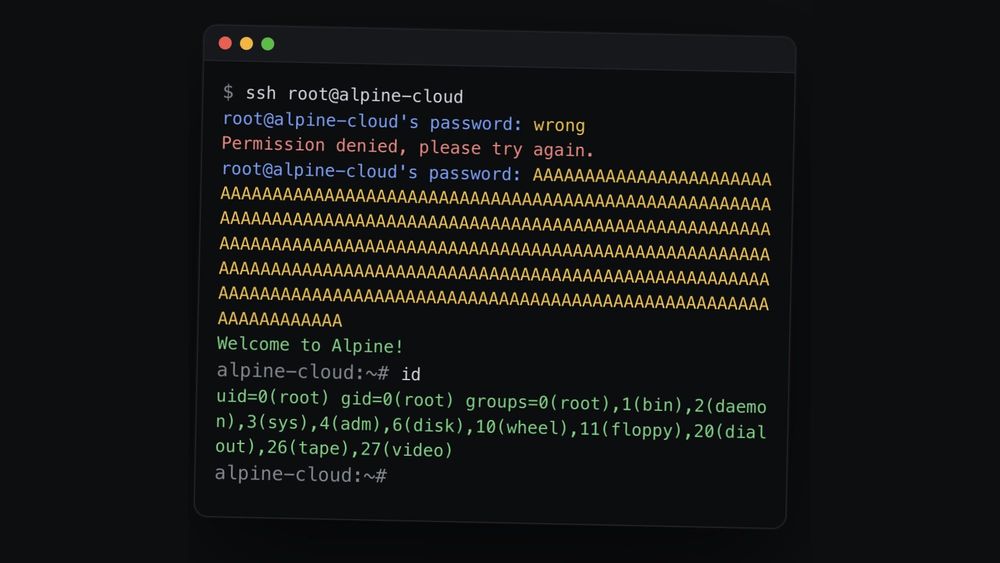
A Bitwarden fix you may need to download twice, a passcode that prosecutors say wiped a phone at the border, a TV that fingerprints everything you watch, Linus Torvalds versus 41,197 lines of AI-assisted code, and Google putting developers' home addresses on the Play Store.
Welcome to Friday. The stuff we trust most quietly does more than we think. A television listens to its own sound and reports back. An app store decides your home address is public information. A routine update ships with the old bug still inside it.
The other thread was AI, from every direction at once. AI writing kernel fixes, AI agents building malware, and apps like Signal now trying to keep the AI built into phones from reading over your shoulder. The tools got faster this week. The question of who checks their work got louder. So pour something warm, and let's go through it.
• Bitwarden, self-hosted (nginx flaws): update to v2026.11.0. If you grabbed it early, download it again.
• Tor Browser, CVE-2026-92027: update to 15.0.23 or newer.
• Hisense TVs: untick "Agree to Enhanced Viewing Service" in the privacy settings.
In this issue
- Bitwarden: update your self-hosted server, then maybe update it again
- The passcode was "Killmenow"
- Your Hisense TV may be fingerprinting everything on screen
- Linus Torvalds to an ext4 maintainer: "tell your AI companion to get its act together"
- Google will publish solo Android developers' home addresses, worldwide
- Five more stories worth your attention: SAP, 1Password, Signal, ARTEX and Tor Browser
🟠 HIGH · BITWARDEN / SELF-HOSTED
1. Bitwarden: update your self-hosted server, then maybe update it again
Bitwarden is telling everyone who runs its password manager on their own servers to update now. Two flaws in nginx, the open-source web server that self-hosted Bitwarden ships with by default, could let attackers run their own code inside it. The fix is v2026.11.0.
The twist: some early downloads of that version still carried the old, vulnerable nginx, so Bitwarden says to download it again.
Why it matters: Self-hosting gives you control, and it also makes you the patch team. If you updated early, don't tick the box yet. Pull v2026.11.0 fresh and make sure the server is really running the fixed build.
📰 NEWS · BORDER SEARCHES / DURESS CODES
2. The passcode was "Killmenow"
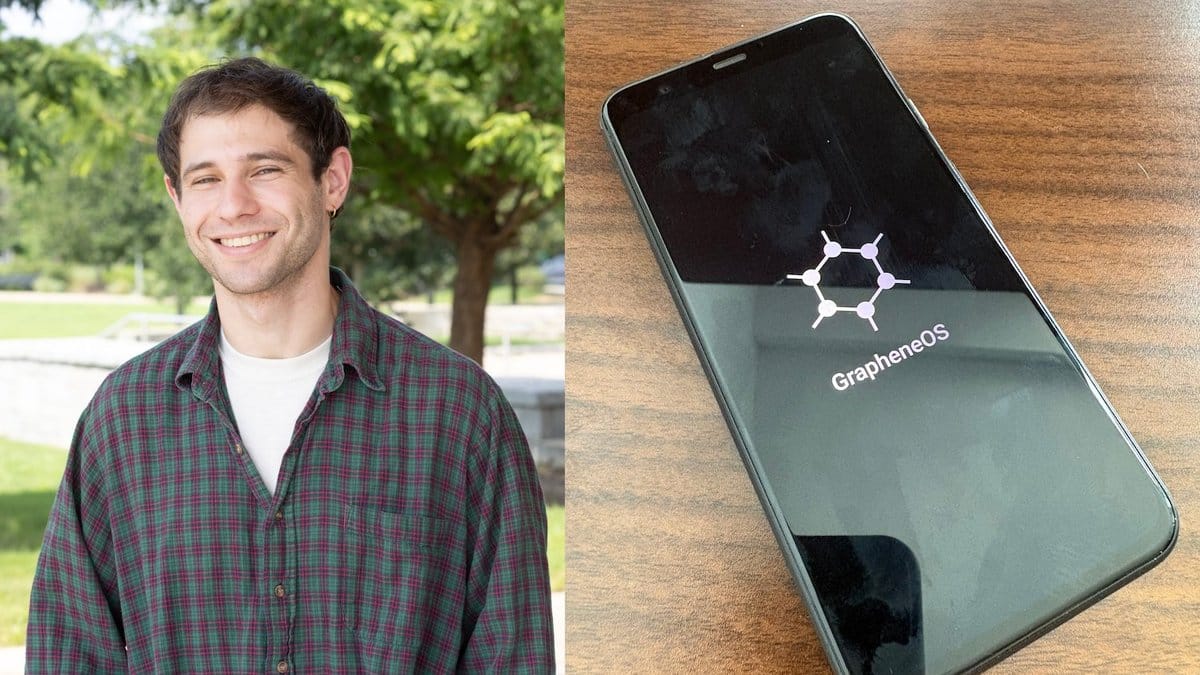
A man flying into Atlanta was asked by US border officers for his phone passcode and gave them one: "Killmenow." The moment an officer typed it in, the phone shut off.
Prosecutors say it was a deletion code that wiped the device. He is now charged with destroying its contents to block a seizure.
Why it matters: Duress codes and wipe-on-entry features are real, and plenty of privacy-minded people like the idea. But as this case shows, using one in front of officers can turn a phone search into a criminal charge of its own. If you carry sensitive data across borders, the safer plan is deciding what's on the device before you travel, not what happens when someone asks for the code.
🔎 INVESTIGATION · HISENSE / SMART TV TRACKING
3. Your Hisense TV may be fingerprinting everything on screen

A Hisense TV owner decrypted the set's traffic and says it sends an audio fingerprint of whatever is on screen to Israeli ad firm Nexxen about every 2.7 seconds, HDMI inputs included. It doesn't use the microphone. It copies its own sound output and boils each second down to 72 bits, which the owner says is enough to identify the show, film or ad. Every message carries a device ID that never changes.
Turning off "Personalised Ads" didn't stop it. Only unticking a separate consent, "Agree to Enhanced Viewing Service", did, and the owner says that box had been ticked since setup.
Why it matters: If you own a smart TV, this is your weekend homework. Open the privacy settings, read every toggle, and don't assume the obvious one is the one that matters.
📰 NEWS · LINUX KERNEL / AI CODE
4. Linus Torvalds to an ext4 maintainer: "tell your AI companion to get its act together"
Theodore Ts'o, who maintains ext4, the widely used Linux file system, sent 41,197 new lines as "fixes" on 24 November, right in the stretch before a release that's meant for calming things down. Most of the bug fixes were AI-generated, he wrote, and most of the new lines were tests for checking AI-written patches.
Linus Torvalds was not impressed: "STOP THINKING THAT YOU - OR AI - NEVER ADD BUGS WHEN YOU FIX SOMETHING." He called himself furious, said he nearly threw the merge out, took it anyway, and warned he'll ignore the next one. Ts'o's reply, in full: "Yeah, sorry."
Why it matters: Linus is badass.
📰 POLICY · GOOGLE PLAY / DEVELOPER PRIVACY
5. Google will publish solo Android developers' home addresses, worldwide

From 1 March 2027, Google will show the phone numbers and addresses of Android developers who count as "traders" under EU and UK consumer law, meaning apps are their business rather than a hobby. For developers who work from home, that's their home address.
The rules are European, but Google's own help page says the details will be shown worldwide. Developers who don't declare their status by 1 February risk having their apps pulled everywhere. Google accepts no PO boxes, The Verge reports, and Apple shows such addresses only in Europe.
Why it matters: Consumer protection is a good goal, but publishing where an indie developer sleeps to the entire planet is a privacy and safety cost that lands on the smallest players. If you ship apps solo, start planning now, whether that's a business address or a hard look at how you're registered.
Also worth your attention
- SAP confirms a cyberattack. SAP told DER SPIEGEL it has so far found no sign customers' business data was accessed. SPIEGEL's sources say attackers used stolen employee login tokens to change and copy SAP source code on GitHub.
- 1Password hacked via GitHub. An attacker hijacked an employee's GitHub account, and names, emails and some recovery tokens were taken. 1Password says vaults and their keys were not accessed.
- Signal versus phone AI. Signal is blocking OS-level AI agents from reading its screens on iOS 27 and Android, while admitting the fix is incomplete.
- ARTEX withdrawn, still spreading. The author of the ARTEX AI hacking framework pulled the tool, but copies are still circulating. One ARTEX agent built a fake Hugging Face model that steals credentials, and leaked its own keys while testing it.
- Tor Browser IP leak. Tor Browser 15.0.22 and older can reveal your real IP with one click on a malicious website. The bug was fixed in 15.0.23, so update.
Before you log off
Know someone who should be reading this?
If this issue was useful, forward it to a friend or colleague who patches things, breaks things, or just owns a smart TV.
They can subscribe here.
Tonight, close the laptop. You've earned it.
Get the ICD Newsletter
Subscribe for source-forward cyber news, OSINT notes, breach updates, and analysis. Have evidence or a lead? Send it to ICD.