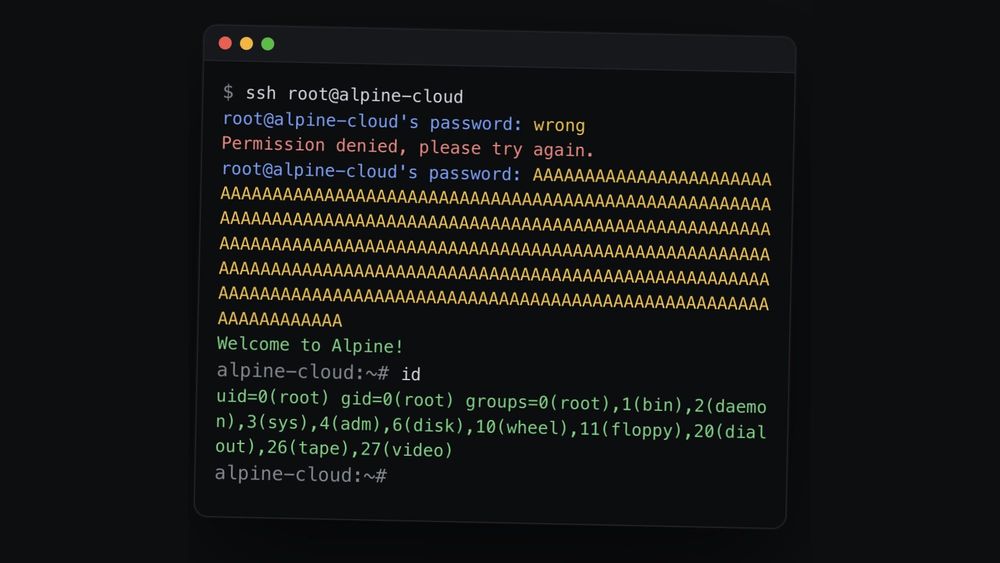
PHP’s fix for php2shell didn’t hold, Java4Shell went from leak to exploit in a day.

Microsoft explained the outage that left a hotel pool unmonitored, one new router grounded every flight in America, and Claude talked to a 1994 Jeep.
Welcome to Friday. If your week felt like one long patch window, you’re not imagining it. PHP, Java and nginx, three pieces of software that quietly hold up a huge share of the web, all picked up critical “run your own code, no login needed” bugs within a few days of each other. That’s not a normal week, even by this industry’s standards.
The other thread was quieter but maybe more unsettling: small, boring changes with an enormous blast radius. A July fix that hid a bug for three months. A brand-new router with one overly chatty feature. So grab something warm, and let’s go through it.
• PHP, CVE-2026-126714 (CVSS 9.2): a bypass of the php2shell fix. depthfirst says the latest releases are still vulnerable, so watch for the next PHP release and treat internet-facing PHP apps as at risk until then.
• Java, Java4Shell: install Oracle’s Java patch, first on servers running Jira, Confluence, Jenkins or Keycloak.
• nginx with HTTP/2 enabled: update to 1.31.9 or 1.30.7.
In this issue
- PHP’s php2shell fix didn’t hold
- Java4Shell: from leak to working exploit in a day
- Microsoft’s outage, explained, and a pool nobody was watching
- One new router, every US flight grounded
- Claude, a $3 Arduino and a 1994 Jeep
- Plus nginx’s critical bug and four more stories worth your attention
🔴 CRITICAL · PHP · CVSS 9.2
1. PHP’s php2shell fix didn’t hold

The patch was supposed to be the end of it. Instead, security firm depthfirst says it broke past PHP’s fix for the php2shell flaw and can once again run its own code on web servers without logging in. The new bug is tracked as CVE-2026-126714 and rated 9.2 out of 10, and according to depthfirst the latest PHP releases are still vulnerable.
Why it matters: A bypass of a fresh fix is the worst kind of déjà vu, because plenty of teams patched php2shell, ticked the box and moved on. If you run PHP anywhere internet-facing, don’t assume last round’s update covers you.
🔴 CRITICAL · JAVA · JAVA4SHELL
2. Java4Shell: from leak to working exploit in a day

On Tuesday, word got out that a critical Java flaw had leaked before its patch, reportedly letting hackers hijack servers without a password. Security firm Calif said it found the bug, dubbed Java4Shell, and by that evening said it had taken over Jira, Confluence, Jenkins and Keycloak servers with it, without logging in.
The flaw sits in the code Java uses to decode Base64, a common way to send data as text: a short malformed string makes it write past the end of its memory. Oracle shipped a patch that night, and Calif says it is holding back its exploits until people have patched. Calif’s researcher says OpenAI’s Codex helped him find the bug in an hour and build a working exploit in two more, for under $200 in AI costs.
Why it matters: The economics of vulnerability research is changing in real time. If Jira, Confluence, Jenkins or Keycloak sit on your network, the Oracle Java patch belongs on this weekend’s list.
🧾 POST-MORTEM · MICROSOFT 365
3. Microsoft’s outage, explained, and a pool nobody was watching
Last week we covered Microsoft 365 going dark. This week we learned what it cost and why. At Germany’s Phantasialand theme park, the hotel pool’s automatic dosing system warns staff by email when chlorine levels go wrong. Too much chlorine went in, and the warning emails never arrived because of the Outlook outage, the park told German broadcaster WDR. Fifteen guests at the park’s Hotel Ling Bao were hurt and some were taken to hospital. The water has since been replaced and the pool has reopened. One of our followers asked an important question:

Microsoft, which apologised publicly as services recovered, says the outage came from a fix it rolled out in July that hid a bug for over three months. Under heavy load it froze the gateway servers in front of Exchange Online and other Microsoft 365 services, and lab tests on weaker machines missed it.
Hours before the outage, Teams had moved its traffic onto those same servers while nearly 14% of them were already offline. Automatic failover then spread the problem: in under two hours, more than 80% of the servers stopped responding, and the ones that came back were flooded by waiting traffic and froze again.
Why it matters: If anything in your world alerts on something physical, don't use e-mail.
🧾 POST-MORTEM · FAA / JUNIPER
4. One new router, every US flight grounded

Last Friday evening the FAA halted every departing flight at every US airport because of a communications problem affecting the Air Route Traffic Control Centers that guide planes in flight. It was only the second nationwide halt since 9/11 and, at four hours, the longest since that day. About 12,000 flights could not be completed. The FBI quickly said it didn’t believe it was a cyberattack.
By the weekend the cause had a name: a brand-new Juniper router at a remote FAA radio site in Arkansas, just installed by defence contractor L3Harris. FAA officials believe a feature that broadcast data more widely than needed flooded the network, and the FAA has switched that feature off on every router of that type. HPE, which owns Juniper, says the routers “did not fail.”
Why it matters: Put this next to the Microsoft story and you get the theme of the week.
🔎 RESEARCH · AI / CARS
5. Claude, a $3 Arduino and a 1994 Jeep
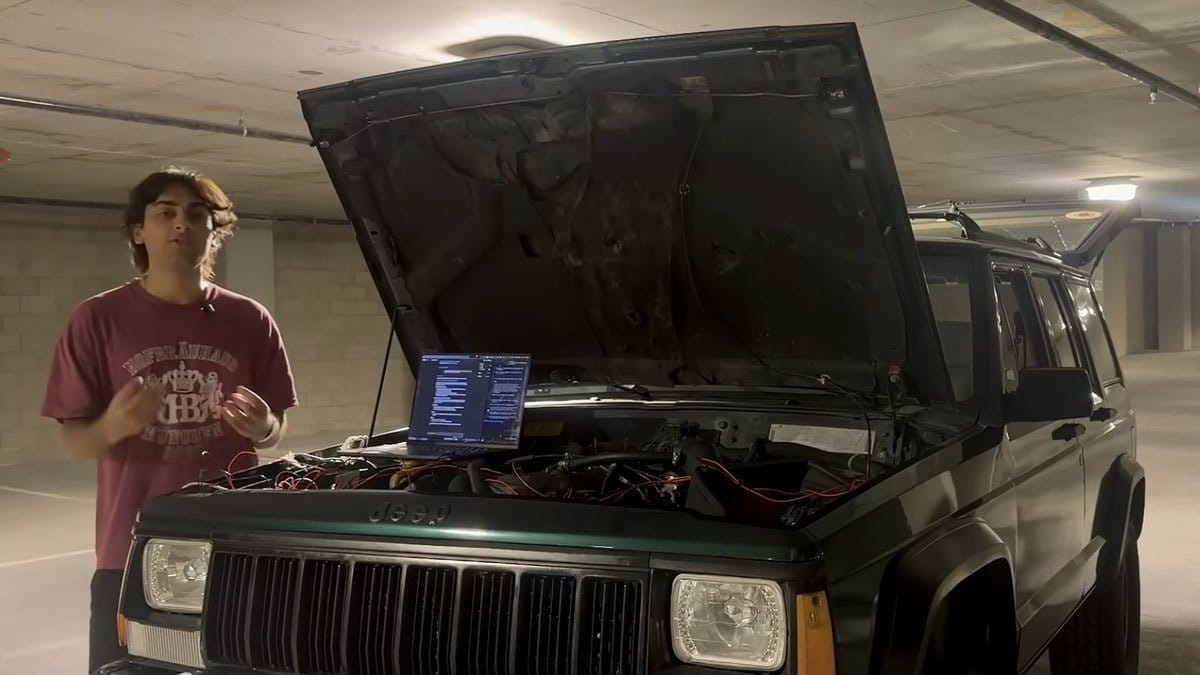
A YouTuber says Claude hacked his 32-year-old Jeep Cherokee through a $3 Arduino and got it through California’s smog test. The 1994 Jeep is too old for the diagnostic socket modern cars have, so, he says, Claude cracked its forgotten 1990s protocol, logged his drives, and worked its way from reading the engine computer to running the fuel pump.
The engine computer was too old to reflash, so OpenAI’s Codex ran custom code on it to change the fuel delivery. The Jeep had been failing on nitrogen oxide emissions at 25 mph, with each retest costing nearly $100, Tom’s Hardware reports. About a week later, he says, it passed.
Why it matters: Reverse-engineering an undocumented protocol used to take specialists weeks. When a hobbyist with an AI assistant can do it on a 32-year-old car, the “nobody will bother figuring this out” defence for legacy systems gets a lot thinner.
Also worth your attention
- nginx gets a critical pre-auth bug. nginx has a critical pre-auth code execution flaw that works on servers with HTTP/2 enabled, and Censys sees 74.2 million web properties on affected versions. It’s fixed in 1.31.9 and 1.30.7.
- A survival computer on a Pi. A Redditor built a Raspberry Pi 5 survival computer with offline Wikipedia, maps, GPS and a radio receiver that ran for more than 24 hours on one battery.
- The largest known bank leak. Whistleblowers leaked more than 15 million Deutsche Bank files to over 50 newsrooms, in what Der Spiegel calls the largest known bank leak, including records on Jeffrey Epstein.
- Tor under sustained DDoS. The Tor network is under a sustained DDoS attack that has hit most of its volunteer relay operators. The Tor Project has shipped a fix, with more to come.
- Europe’s open model grows. The EU’s open AI model, EUROPA, is being tested at nearly 1 trillion parameters, more than twice the size the EU asked for, though there are no weights or release date yet.
Before you log off
Found this useful? Forward it to one person who would too. It takes ten seconds, and it's the best way to help us grow.
Enjoy your weekend.
Get the ICD Newsletter
Subscribe for source-forward cyber news, OSINT notes, breach updates, and analysis. Have evidence or a lead? Send it to ICD.