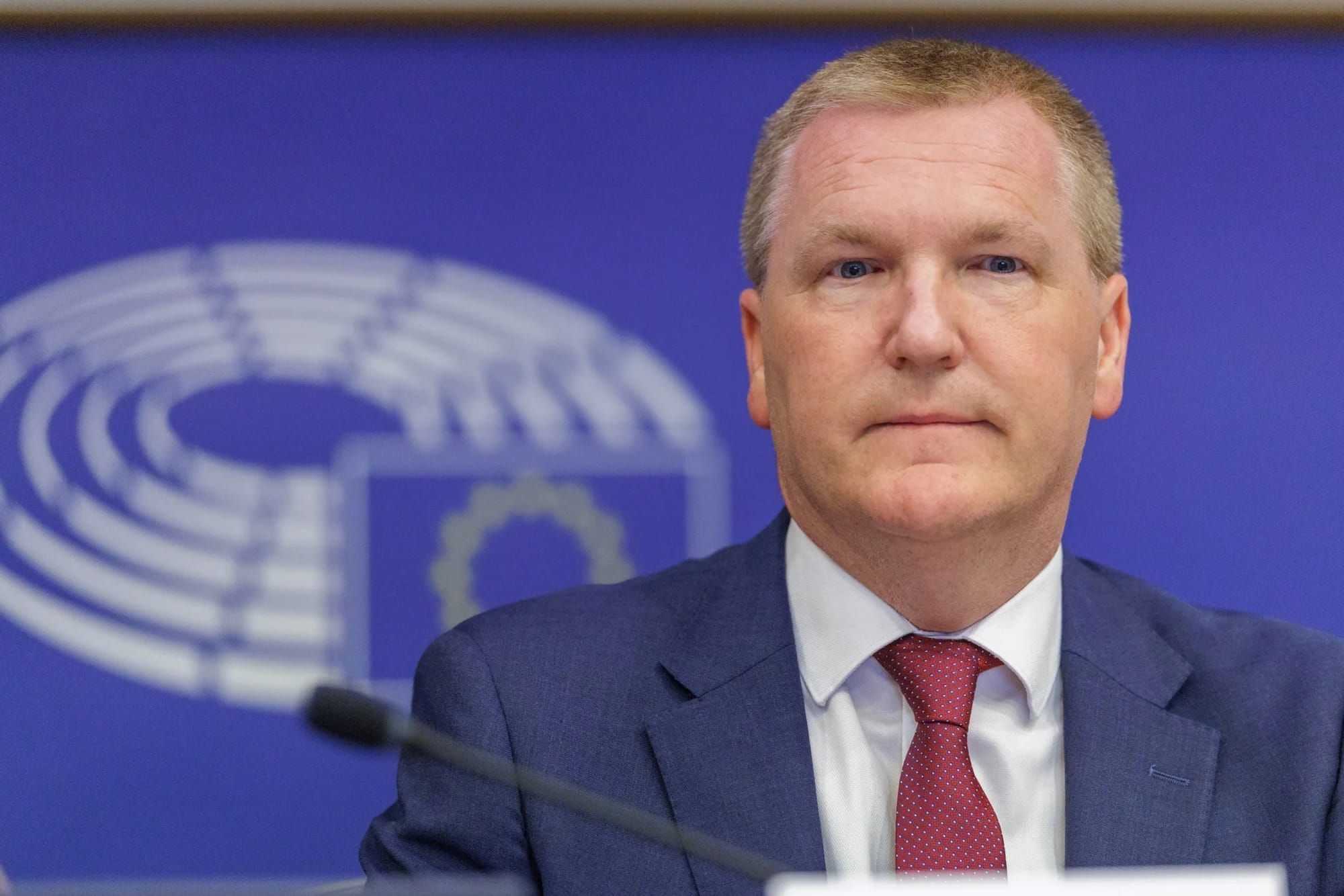
The European Commission wants to rein in the addictive design of games, apps and websites that pull users, and especially children, into spending money, EU justice commissioner Michael McGrath said in an interview with the Financial Times.
The plan runs on two tracks. The first is a digital fairness proposal, due by the end of the year, targeting addictive interfaces, subscription traps and other so-called dark patterns. The second is a separate upcoming proposal that would hand the Commission direct enforcement powers in very large, cross-border cases, covering not only the Big Tech companies already regulated under the EU's digital rulebook, but also smaller online traders and video game makers.
Children sit at the center of the push. McGrath told the FT that minors are especially impressionable and vulnerable, and that protections need strengthening wherever a commercial transaction sits underneath the experience.
The games angle matters more than it first appears. The strictest tier of the Digital Services Act applies to very large platforms with 45 million or more users in the EU, a threshold many games never reach even when they are aimed at children and monetized through in-game purchases. The new rules could close that gap, though the exact scope is not yet clear.
The enforcement gap is the driving argument for the fining powers. Consumer protection rules are currently enforced by individual member states, with the Commission in a coordinating role. According to McGrath, that coordination has "never led to a fine or penalty being imposed", and he argued it offers no real deterrent to companies prepared to break the rules.
The proposal is already meeting resistance inside the EU. The FT reports that some officials and member states, including Poland, argue it overlaps too much with existing digital legislation such as the DSA, which polices content on large platforms. The text is still being discussed inside the Commission.
The consumer push also lands in the middle of a wider fight over children and social media. The bloc is debating a ban for younger users, with an expert panel due to deliver its verdict on Monday. The UK said this month that under-16s would be barred from platforms such as TikTok, Instagram and Snapchat, France has announced national restrictions, and Australia's under-16 ban is already in force. Commission president Ursula von der Leyen has spoken in favor of such measures.
McGrath himself sounded more cautious on outright bans. He told the FT that international experience so far is inconclusive, and that policymakers should weigh alternatives such as tighter rules on addictive design, safer default settings, easier parental oversight and better digital literacy. He also pushed back on simply pulling children offline, noting that being online carries real benefits and will remain part of their lives into adulthood.
Get the ICD Newsletter
Subscribe for source-forward cyber news, OSINT notes, breach updates, and analysis. Have evidence or a lead? Send it to ICD.