Warnings embedded in the Pentagon's own targeting databases flagged Iran intelligence as years out of date. Senior officers approved strikes anyway, sources told CNN, including the one that hit a school in Minab.
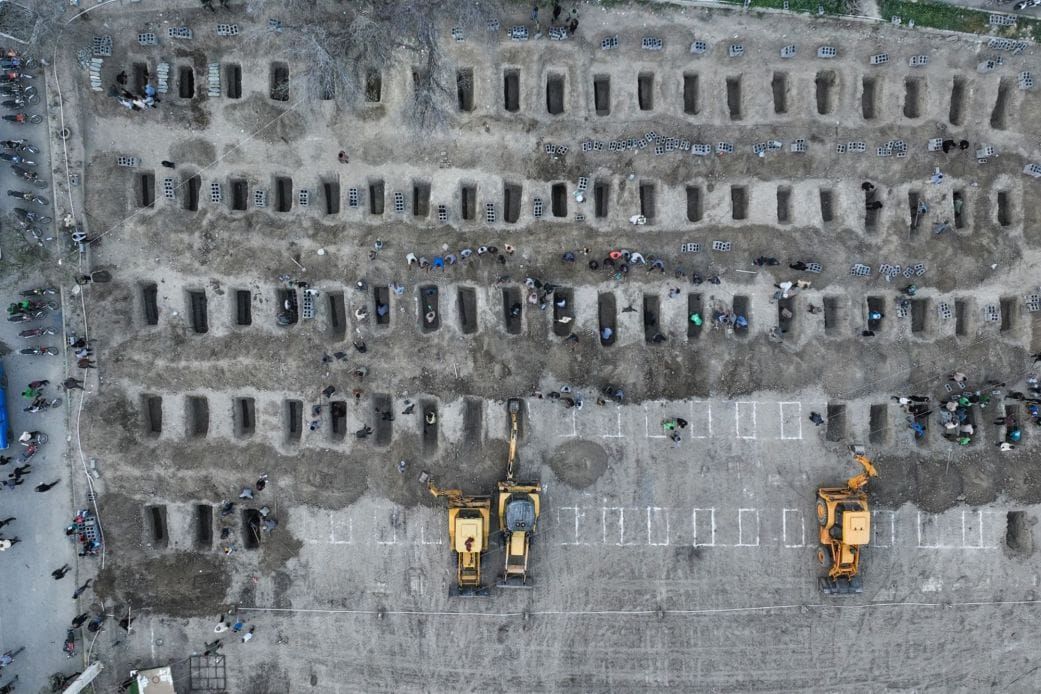
Senior US military commanders bypassed warnings that intelligence on Iranian targets was severely outdated and approved strikes regardless, according to a CNN report citing three sources familiar with the targeting process. Among the approved sites was one struck on February 28, 2026, that turned out to include the Shajareh Tayyiba school in Minab, in Iran's Hormozgan province.
Iranian state media put the toll at a minimum of 168 children and 14 teachers, figures that have not been independently verified but would rank the strike among the worst civilian casualty events in recent US military history.
According to CNN's sources, the warnings were not vague. They were embedded in the Pentagon's targeting systems and required a senior officer's approval to add a flagged site to the strike list. Two sources said commanders made that call for expediency in the rush to generate targets at the start of the war, and that the decision directly contributed to the strike on the school.
The systems involved will be familiar to anyone tracking defense data modernization. The Modernized Integrated Database (MIDB) is the Pentagon's legacy targeting repository, built in the 1980s and dependent on manual analyst input. Its intended replacement, the AI-powered Machine-Assisted Analytic Rapid-Repository System (MARS), entered operational use this year. CNN's sources said both systems flagged the Iran data as needing re-vetting, and that the transition to MARS is years behind schedule, with authoritative targeting data still living in the older system.
When operations began, analysts triaged. They prioritized refreshing records for mobile and high-threat targets, the ones most dangerous to US forces, and largely finished that work before the first strikes. Fixed sites were deemed lower tier and many were never re-vetted, leaving some targeting records more than a decade old, including the file on the Islamic Revolutionary Guard Corps facility next to the school.
The data trail makes the miss harder to explain away. Satellite imagery from 2013 showed the school and the IRGC base as one compound, but 2016 imagery showed a fence and a separate school entrance, and December 2025 imagery showed dozens of people apparently playing in the courtyard. An analyst had recorded changes at the site in a separate digital tool, CNN reported, but that tool was not connected to the official targeting database and the information never reached commanders.
Staffing decisions compounded the risk, per CNN's sources. Before the war, Defense Secretary Pete Hegseth cut Civilian Harm Mitigation and Response staff at military commands by more than 90%, reducing Central Command's team from 10 people to a single full-time staffer and removing civilian harm specialists from target development teams. Hegseth has summarized his philosophy as "maximum lethality, not tepid legality."
A White House official told CNN the investigation remains ongoing and repeated that the US does not target civilians. Central Command declined to comment, citing that investigation. The Office of the Secretary of Defense did not respond to questions about the civilian harm program cuts.
Get the ICD Newsletter
Subscribe for source-forward cyber news, OSINT notes, breach updates, and analysis. Have evidence or a lead? Send it to ICD.